

THE ESTATE
The power of a mineral and vegetal setting, suspended between the sky and the Rhône
ORIGIN
A breathtaking location, a thousand-year history
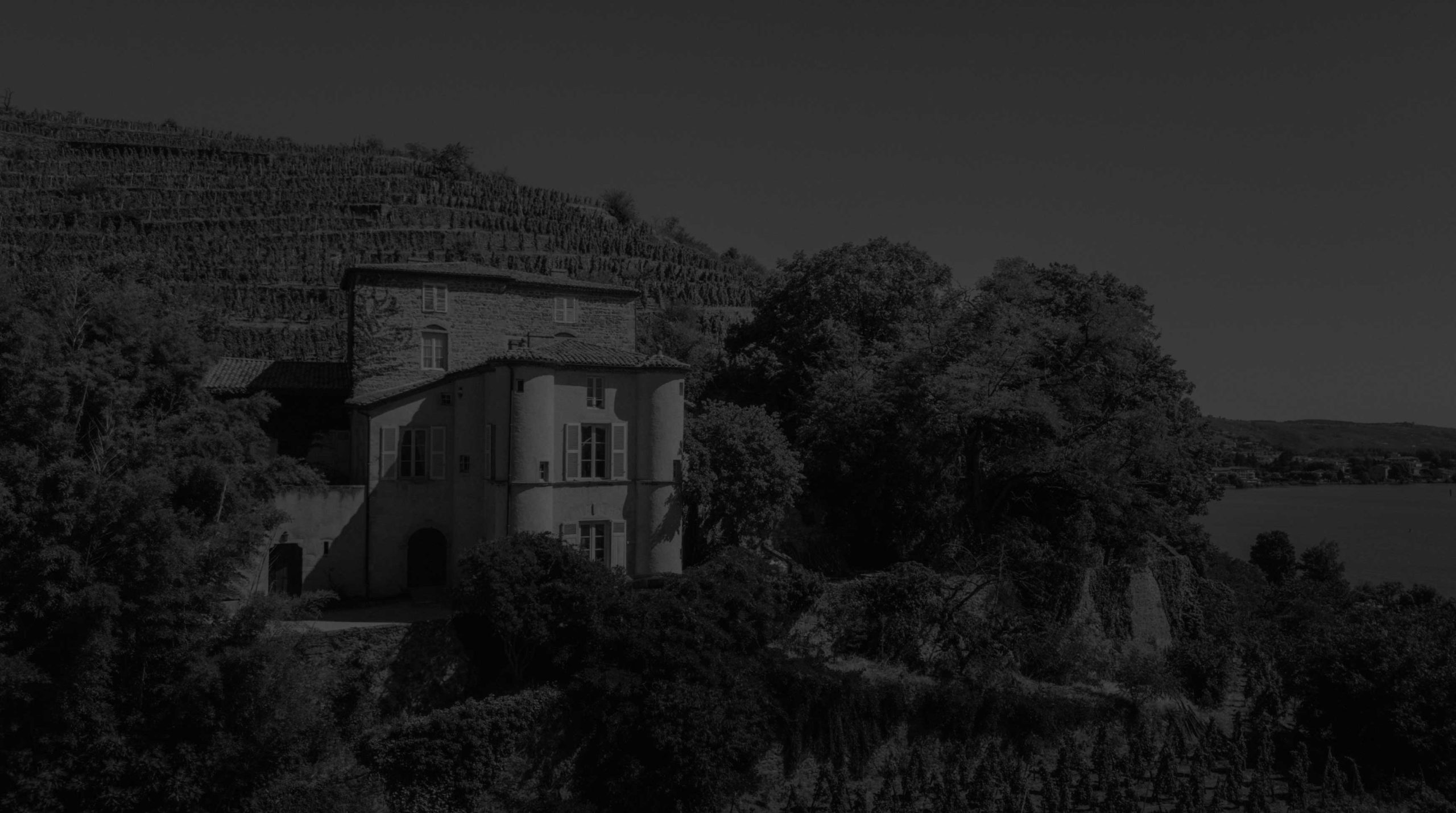
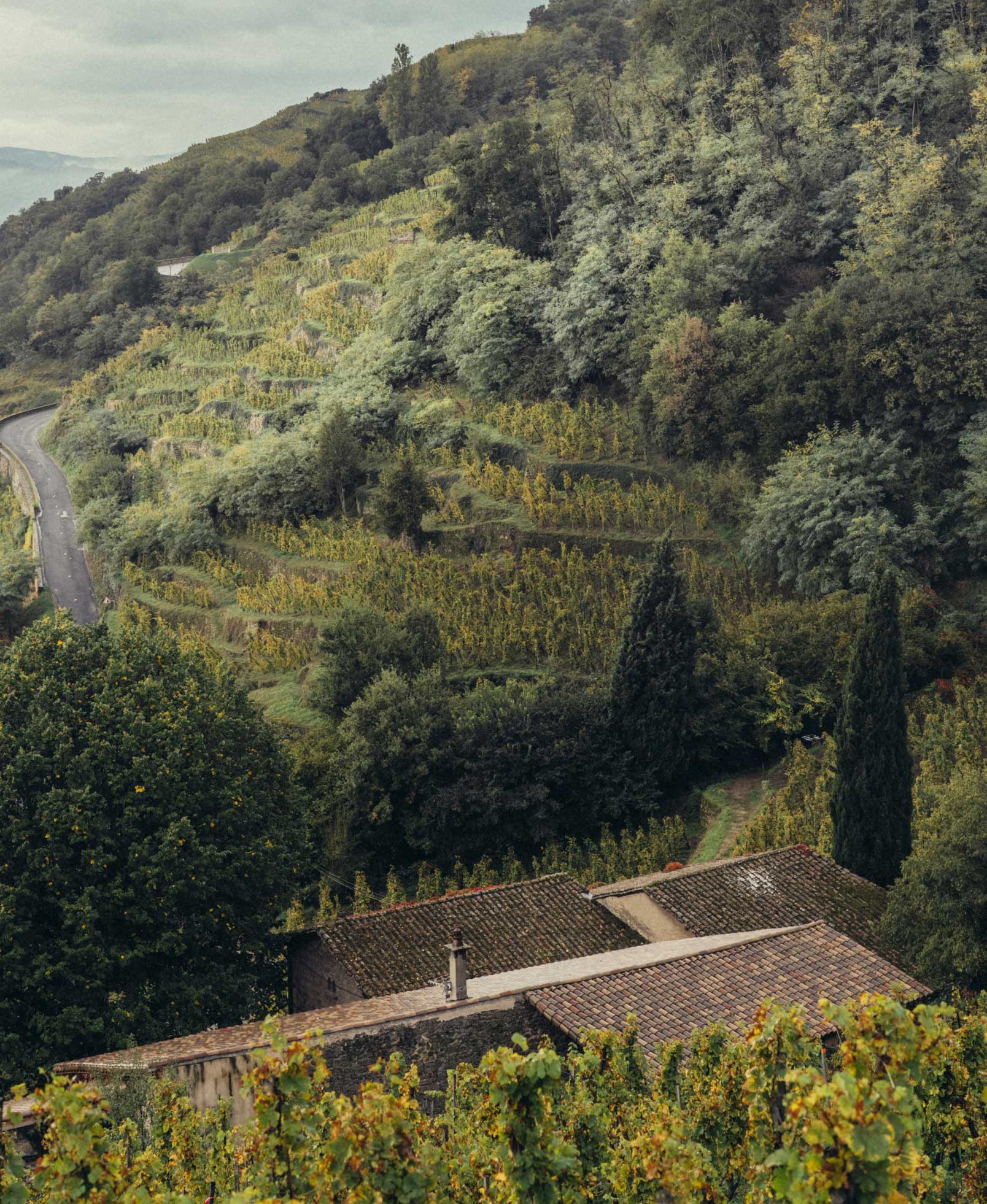
At the very first glance, the power of the place is striking. Nestled on the hillsides between Vérin and Saint-Michel-sur-Rhône, the Château-Grillet vineyard – four hectares in a single block – stands out in all its splendour. This natural amphitheatre, flooded with light, produces one of the oldest and greatest white wines in France.
The origins of Château-Grillet date back to ancient times: legend even says that Emperor Probus, a fine gourmet and great lover of Rhône wines, introduced vines from Dalmatia in the 3rd century. The hillsides “grilled” by the sun gave this spectacular place its name.
The wine’s reputation has been built up over time, celebrated by monarchs, writers and fine dining establishments, seduced by its rarity and nobility.
Long owned by bourgeois families from Lyon, the estate became a refuge for brilliant minds. In 1648, the surveyor and architect Girard Desargues, advisor to Richelieu, retired there during the Fronde. His friend, the philosopher and polymath Blaise Pascal, stayed there in 1652, mentioning the wine in The Pensées (Thoughts).
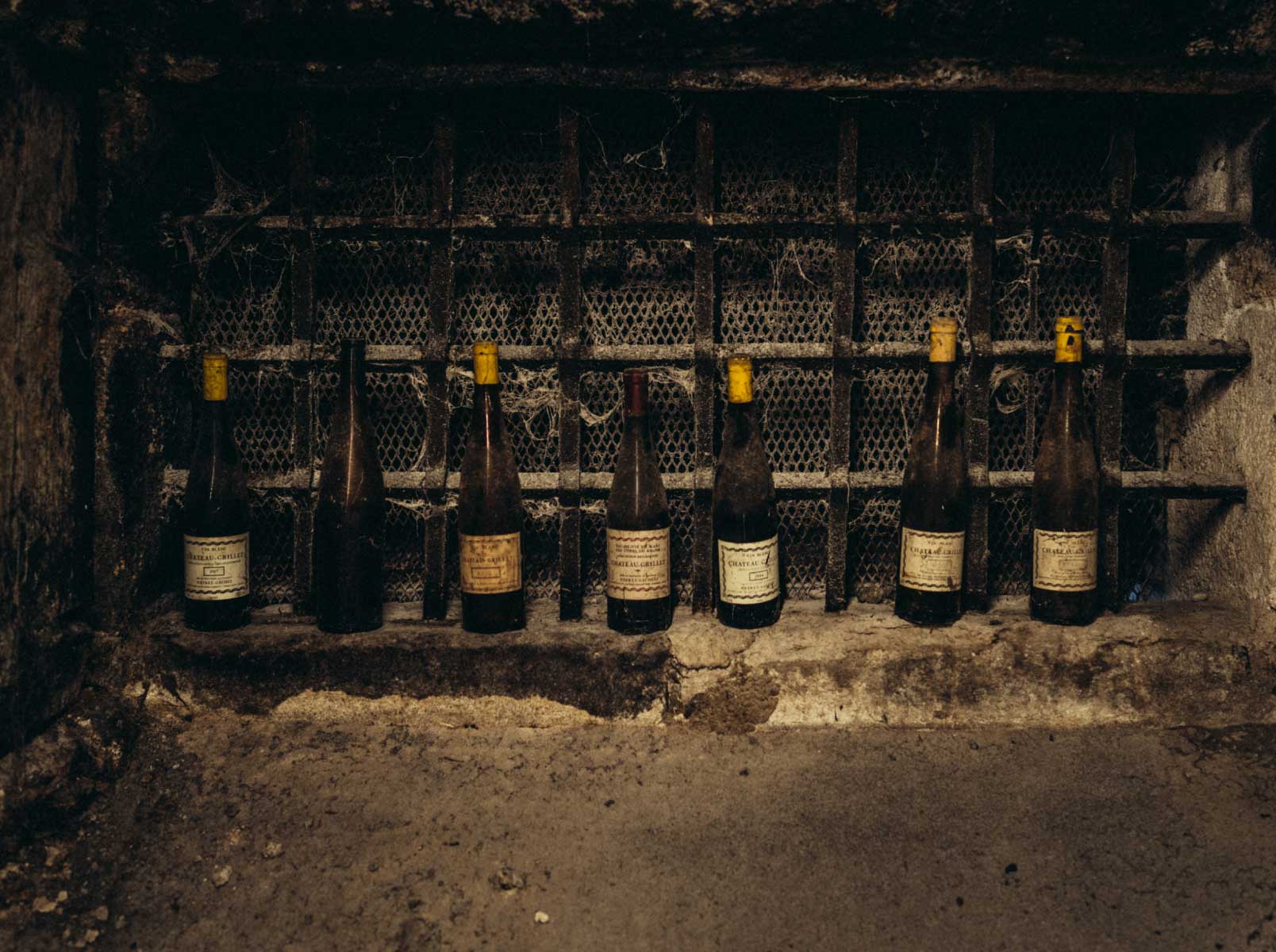
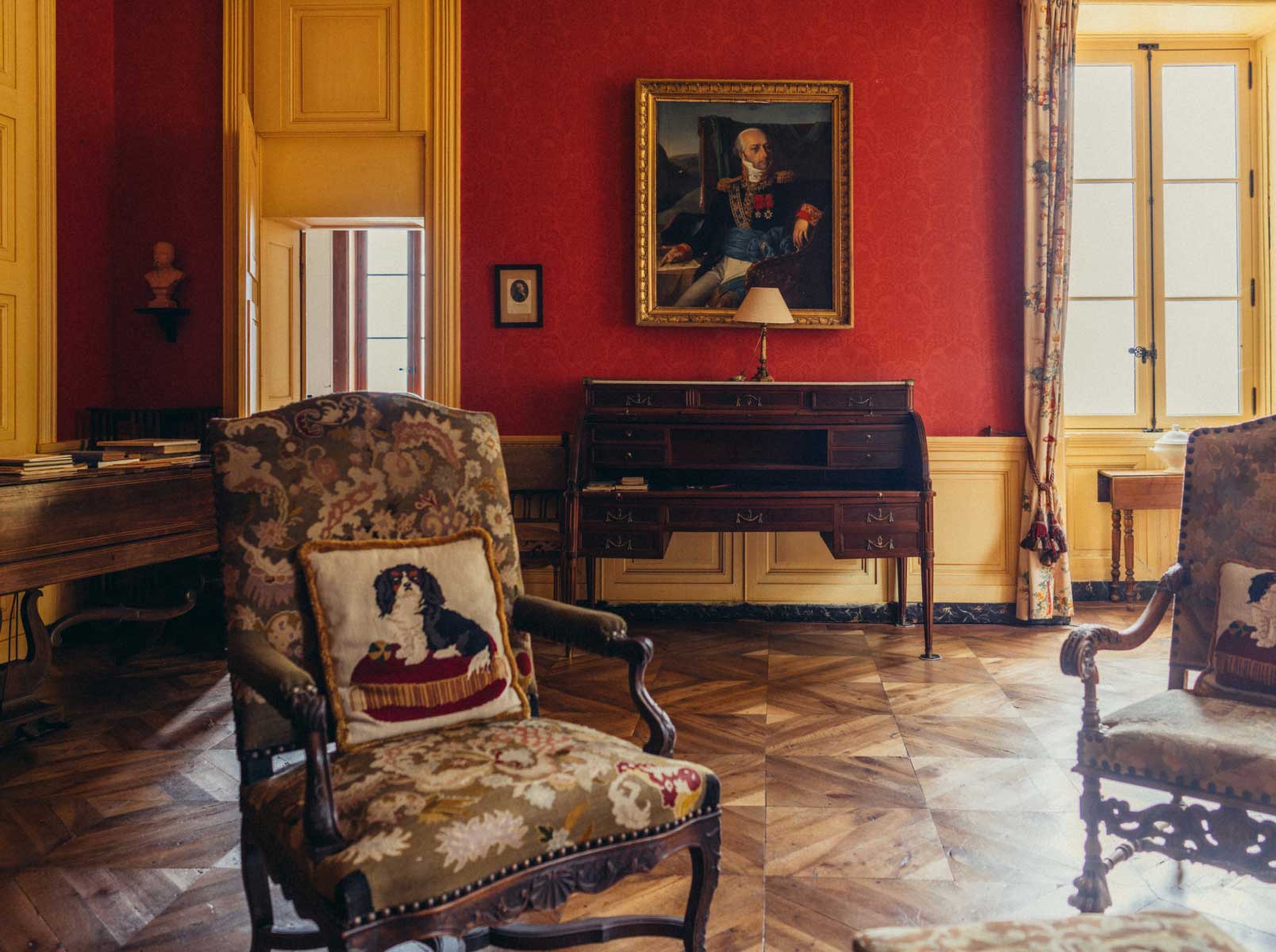
At the end of the 18th century, Château-Grillet wines were present on the tables and in the cellars of the world’s elite. Thomas Jefferson’s visit to the estate in 1787 attests to this, as does an inventory carried out in 1814 in the cellar of the Château de Malmaison, residence of Empress Joséphine de Beauharnais, first wife of Napoleon I. The inventory lists 296 bottles of Château-Grillet among the finest wines. In 1829, James Christie purchased bottles of Château-Grillet on behalf of King George IV of England. The reputation of these wines was therefore already well established, with prices equal to or even exceeding those of Hermitage and Côte-Rôtie wines.
A great pioneer of modern cuisine and the first chef to obtain three stars in the Michelin Guide, Fernand Point (1897-1955) was one of the most fervent ambassadors of the estate and its wines in the 20th century. In the temple of French gastronomy that was his restaurant La Pyramide in Vienne, Château-Grillet was honoured on many occasions, as evidenced by the rich and flavourful correspondence he maintained with Mr. Gachet, the owner at the time.
It was also during this period that Maurice-Edmond Saillant, known as Curnonsky (1872–1956), a renowned French gastronomy critic, published his famous list: Les Cinq de Curnonsky (Curnonsky’s Five). In it, he celebrated the five best wines in the world, all of them white: Château-Grillet appeared alongside other prestigious wines such as Montrachet, Coulée de Serrant, Château d’Yquem and Château Chalon. Curnonsky, nicknamed the ‘Prince of Gastronomes’, readily described Château-Grillet as a “truly great lord”.
Since 1936, Château-Grillet has been an Appellation d’Origine Contrôlée , among the smallest in France. And one of the most prestigious! It is also an AOC embedded within another, forming a unique wine-growing island within the Condrieu appellation. Another rare fact is that Château-Grillet is a monopoly.
In other words, the appellation, estate, vineyard and wine are one and the same.
This uniqueness confirms its absolute excellence.
Since its acquisition by the Pinault family in 2011 and its integration into the Artémis Domaines group, Château-Grillet has been pursuing a patient and demanding quest: to accurately reveal the character of this unique terroir.
TERROIR
The blessed kingdom of Viognier
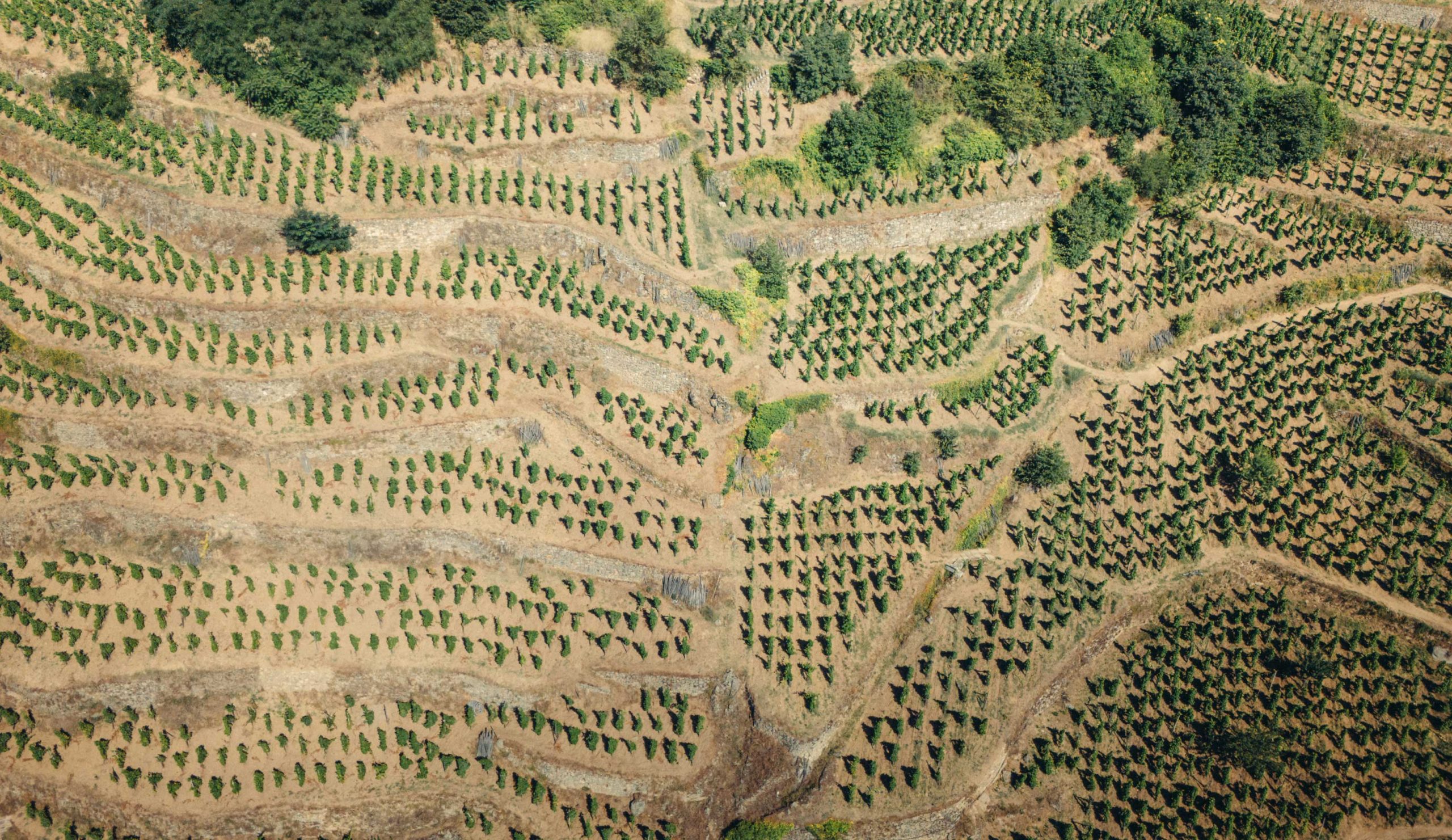
The vineyard is spread over 102 terraces supported by dry stone walls – locally called ‘chaillées’ – located between 150 and 250 metres above sea level. Viognier reigns supreme here. This miraculous grape variety, which had almost disappeared in the 1960s, has regained its former glory thanks to the passion of visionary winegrowers… and the unwavering loyalty of Château-Grillet. Here, it is deeply rooted in poor granite soil, derived from biotite granite, sometimes enriched with loess. On these granite arenas, the deep roots of the vines allow better access to underground water, thus limiting water stress during periods of prolonged drought.
Each plot, each vine tells a story shaped by the wind, the sun, the rock and the hand of man.
The unique microclimate, the topography with its extreme slope, its cascading design and the diversity of exposures offer the Viognier grape an exceptional field of expression.
From this alchemy comes an intense, unctuous nectar with vibrant salinity and tension: the purest expression of its grape variety.
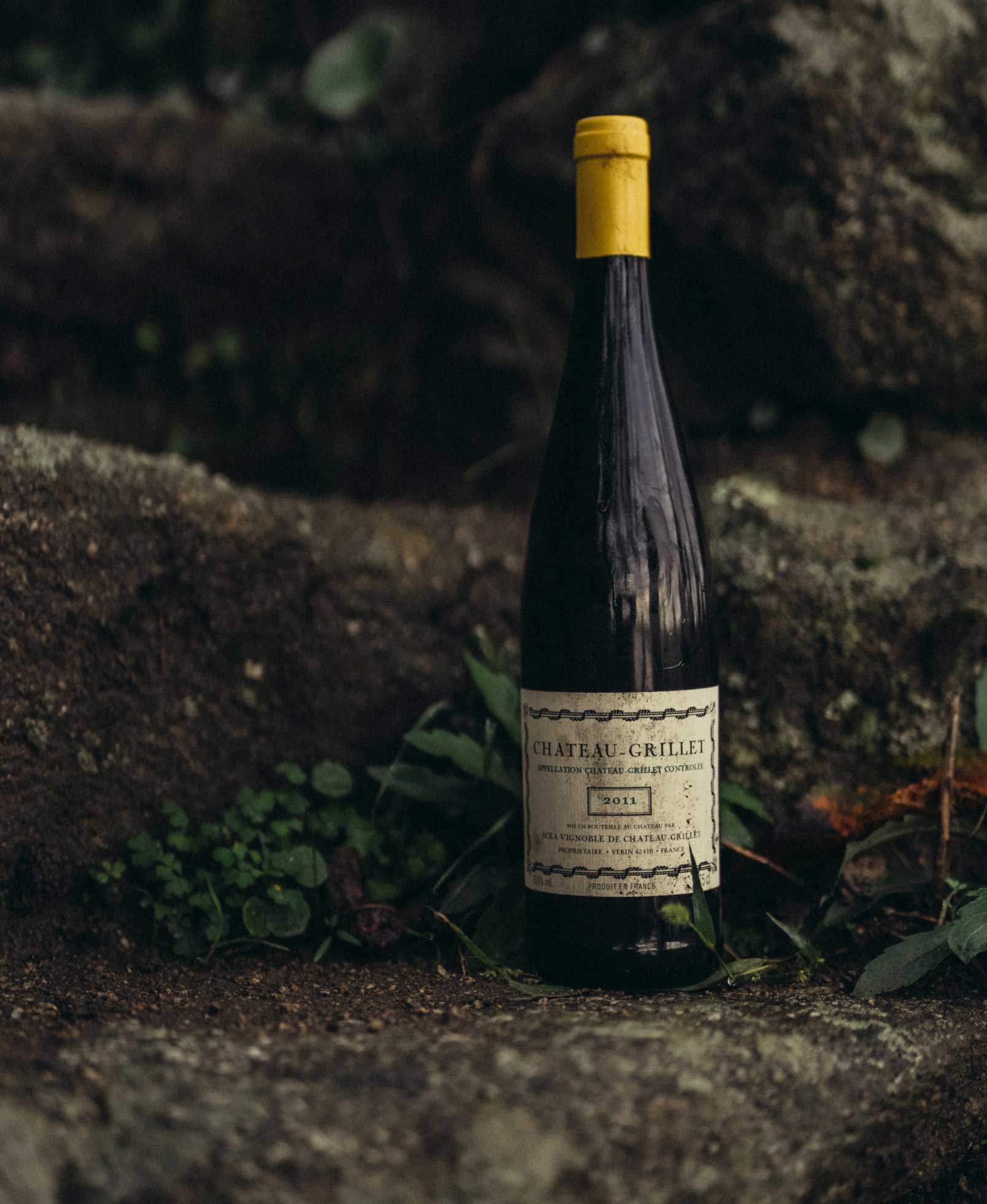
KNOW-HOW
Between craftsmanship and goldsmith’s precision.
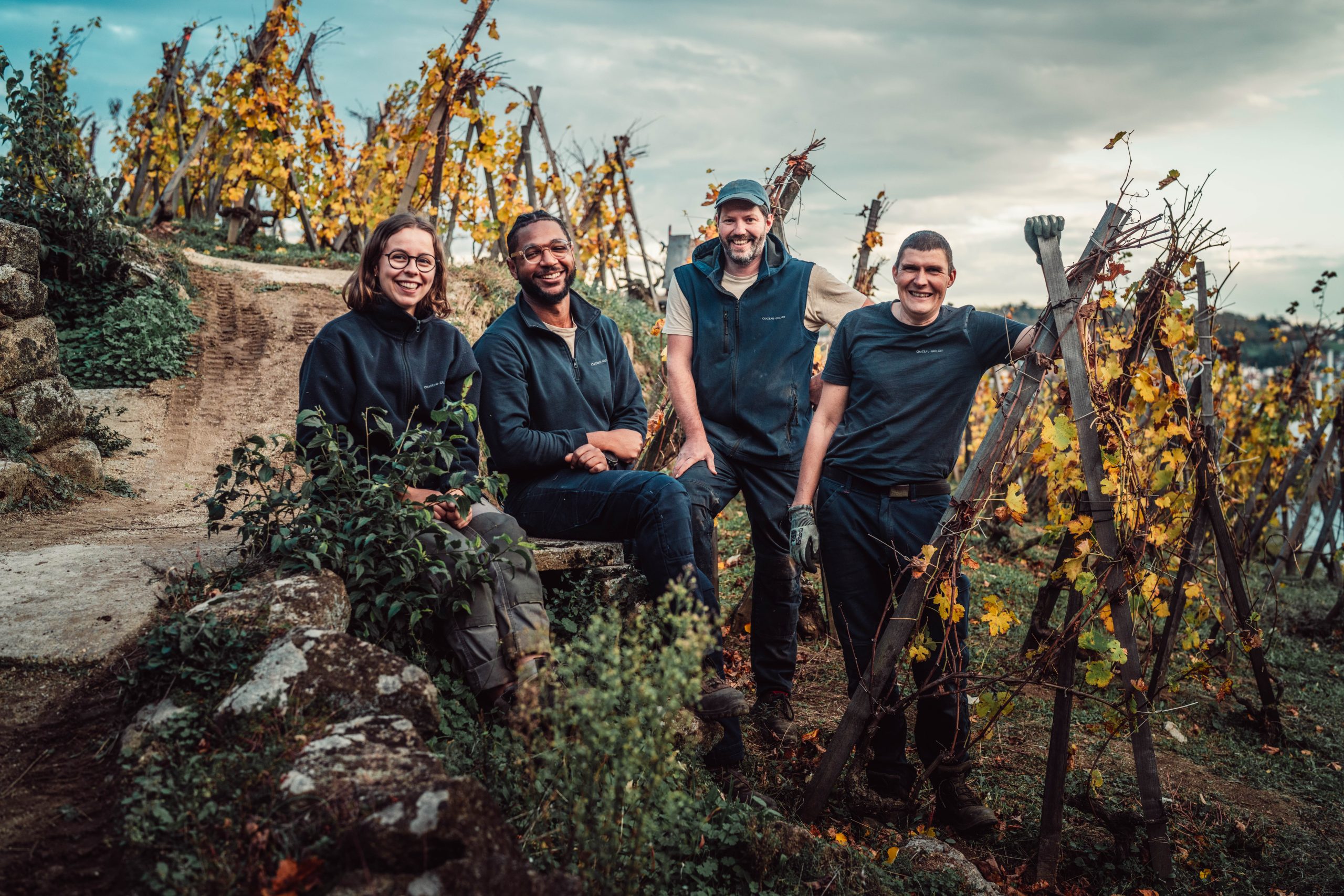
Although the vineyard is tiny, it receives a great deal of attention. A small team of four people, led by Aloïs Houeto, works year-round to preserve this gem and enable it to produce the best grapes.
Everything here is done by hand: the slope, sometimes dizzying, makes no concessions. Simple Guyot pruning respects the flow of sap. The soils are worked with finesse, mostly by hand, according to the needs of each plot.
The harvest is carried out at the peak of ripeness, in small crates, after careful sorting directly in the vineyard.
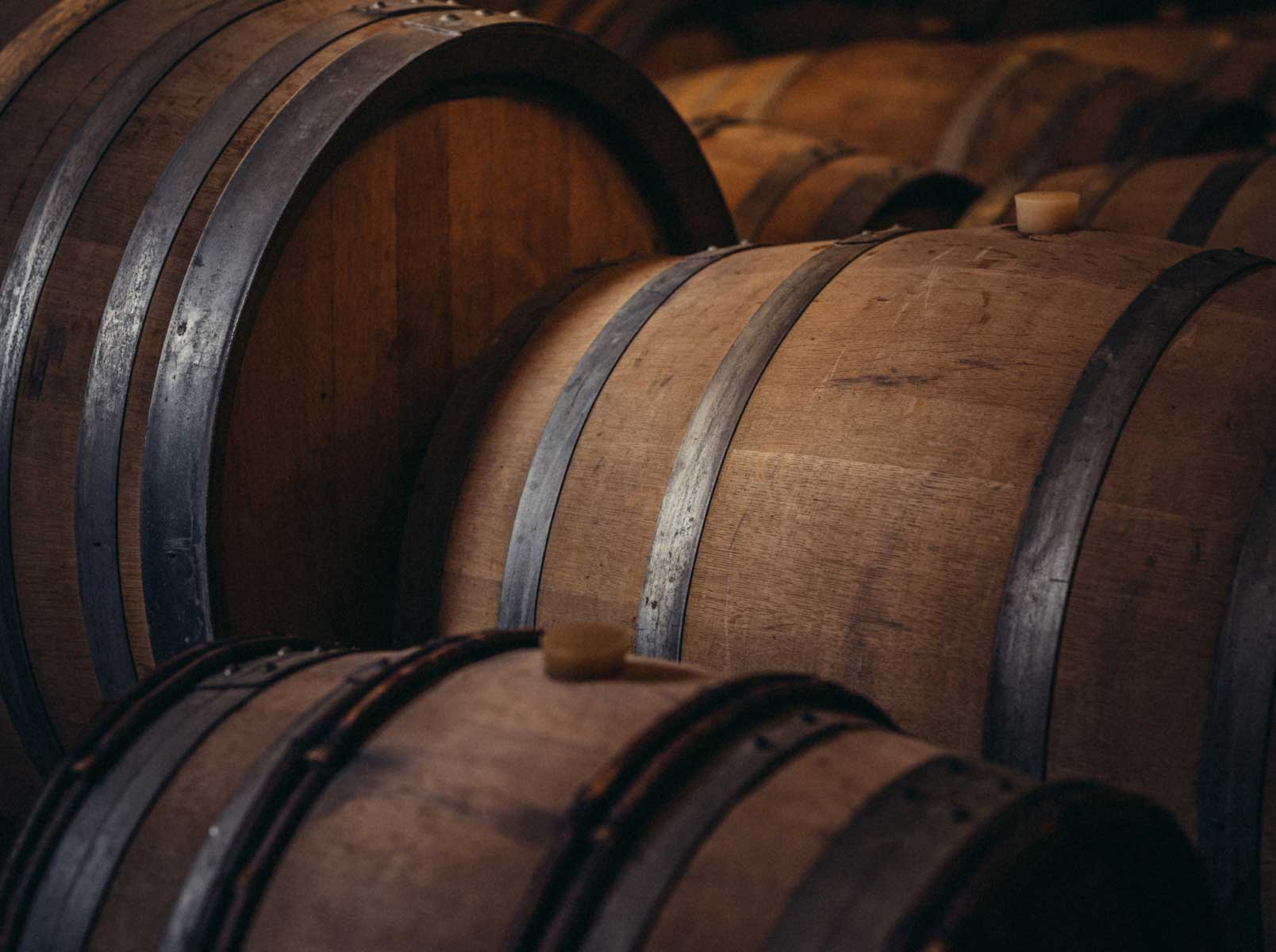
In the cellar, after gentle pressing and plot-by-plot vinification, the wines are aged on fine lees for 18 months in barrels, with a low proportion of new barrels so as not to mask the racy expression of the château’s grapes. Selective blending gives the wines produced on the estate their unique character.
The estate team
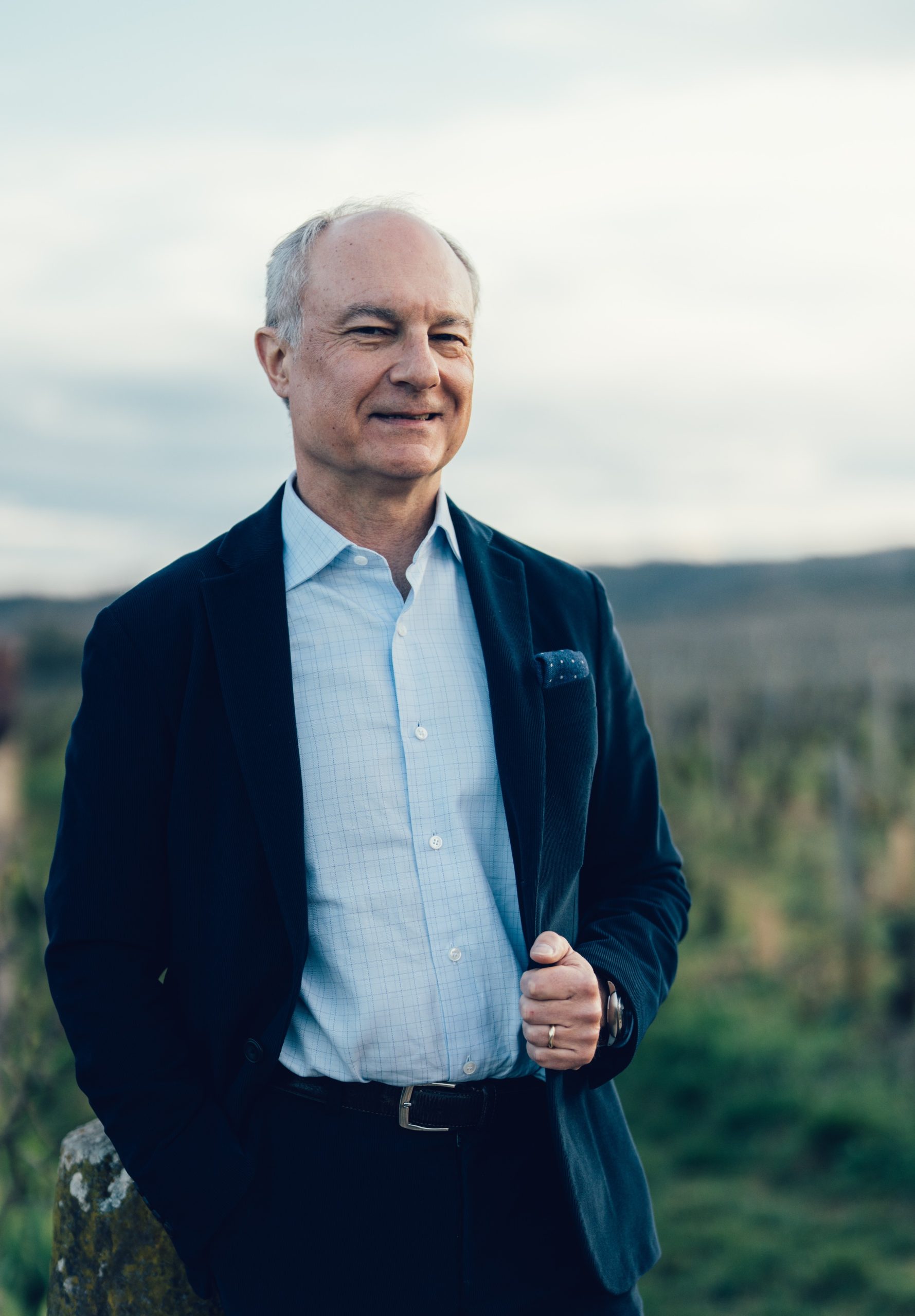
Frédéric Engerer, CEO of Artémis Domaines
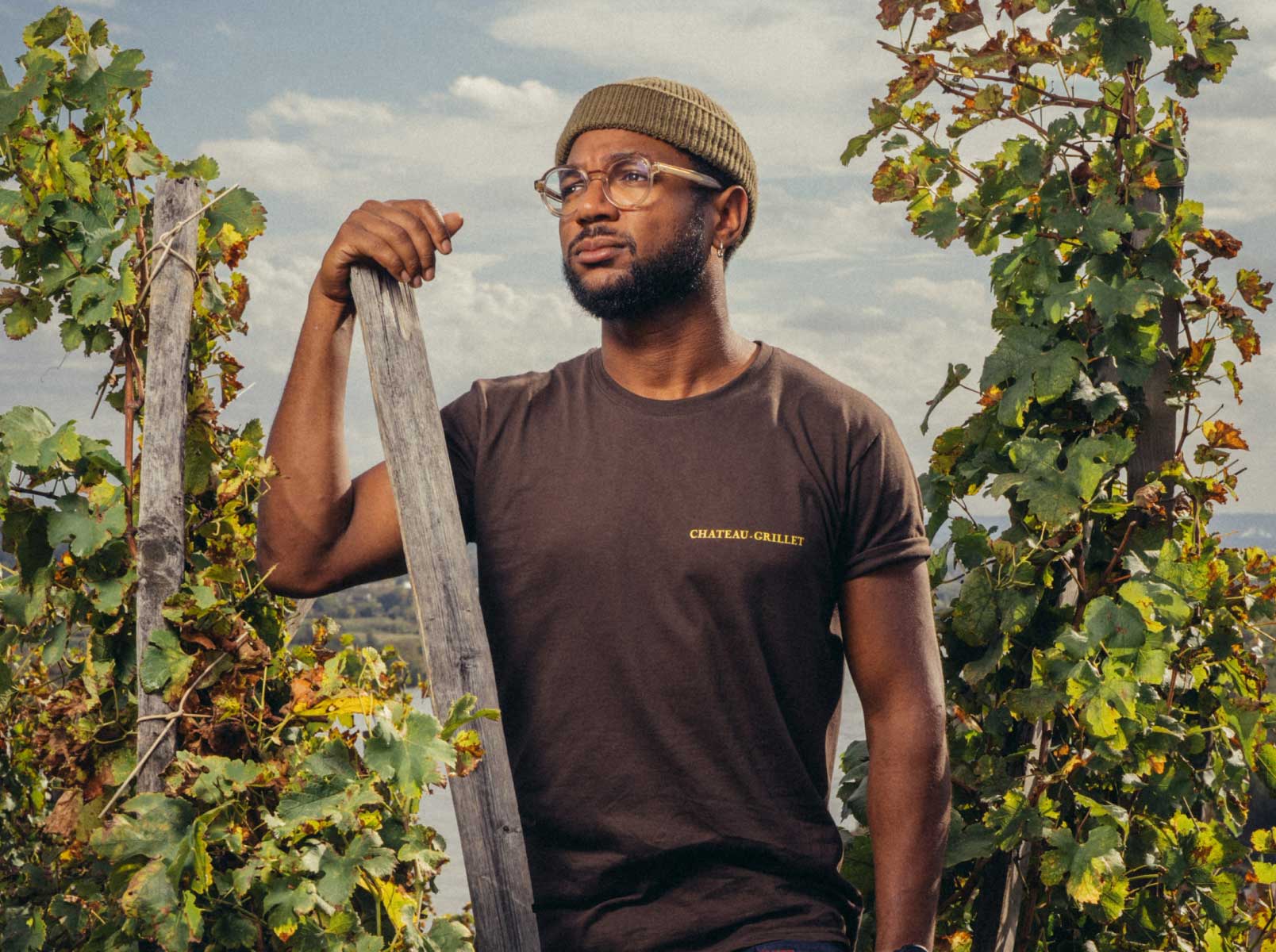
Aloïs Houeto, Director of Château Grillet